50 Multinational (MNCs) Companies in Bangladesh
- October 19, 2025
- 0

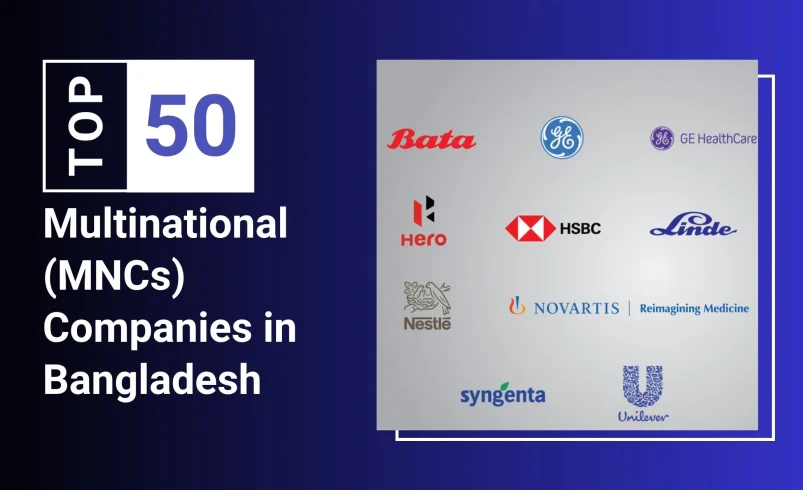
Multinational companies, often abbreviated as MNCs, are businesses that operate in more than one country. These companies usually have their headquarters in one country (often a developed nation) and subsidiaries, branches, or operations in several other countries. Their reach and influence extend across borders, contributing significantly to the global economy. In Bangladesh, MNCs have not only established a strong presence but have also played a crucial role in shaping the country’s economic landscape.
MNCs are known for bringing in foreign investment, advanced technologies, world-class management practices, and global expertise to the countries they operate in. These organizations are usually associated with high-quality products, international standards, and a broad portfolio of services. From food and beverage giants to high-tech companies, Bangladesh hosts a wide range of such enterprises.
In essence, MNCs are not just profit-driven ventures. Many contribute to corporate social responsibility (CSR), education, healthcare, and infrastructure development. Their presence in a developing country like Bangladesh often acts as a catalyst for socio-economic transformation.
So, why have so many of these global giants chosen to invest in Bangladesh? That’s where we’ll begin.
To provide a comprehensive view of the MNC landscape in Bangladesh, here’s a sector-wise breakdown of 100 notable multinational companies currently operating in the country:
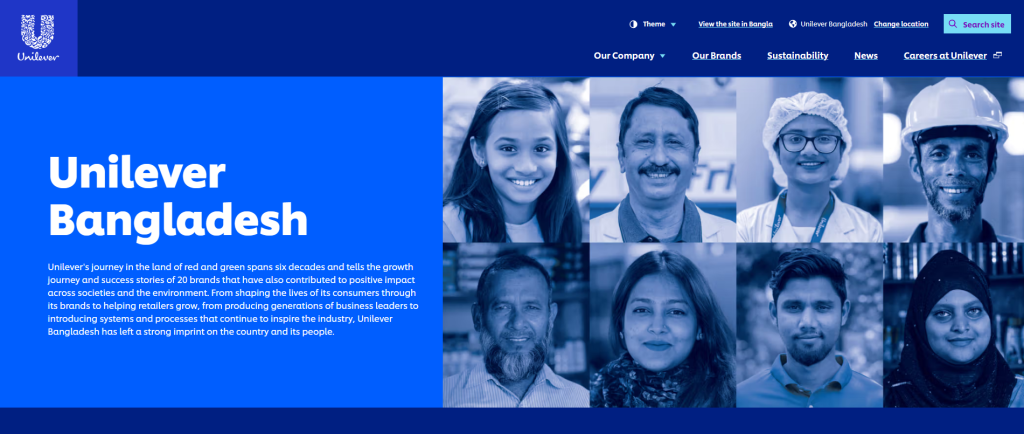
Unilever Bangladesh is the country’s leading FMCG company, operating for over six decades with beloved brands like Lifebuoy, Surf Excel, Lux, and Wheel. It reaches nine out of ten households and has earned accolades such as “Most Sustainable Company of the Year” for its aggressive sustainability and social impact programs
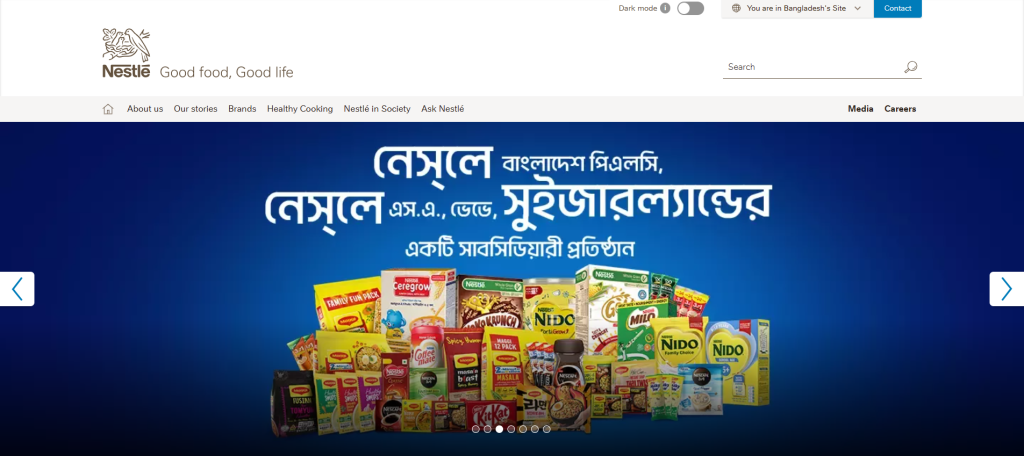
Nestlé Bangladesh specializes in food and nutrition products such as Maggi, Cerelac, Nescafé, and Lactogen. The company emphasizes nourishing lives and actively supports initiatives across nutrition, rural development, and water. Its state-of-the-art factory in Sreepur includes eco-conscious infrastructure like water recycling systems
Reckitt Benckiser Bangladesh produces and markets a wide array of household, health, and hygiene products, including iconic brands like Dettol, Harpic, Lysol, Durex, Strepsils, and Finish. With roots dating back to 1938, the company today operates as a modern FMCG giant, influencing consumer expectations across Bangladesh with a strong presence in urban and rural markets.
Marico Bangladesh is a key player in consumer goods, known for brands such as Parachute, Saffola, Livon, and the grooming line Studio X. The business focuses on hair care, skin care, edible oils, male grooming, and health foods. With a broad retail network and distinctive brand innovation—including products like Mediker SafeLife and Beardo—it continues to hold relevance and impact in Bangladesh’s thriving FMCG landscape.
P&G Bangladesh delivers a wide range of trusted consumer and personal care brands, with a strong focus on innovation, quality, and customer engagement. The company is known for brands like Pampers, Ariel, Head & Shoulders, and Gillette, offering both retail products and institutional solutions. P&G maintains a dynamic presence through sales, marketing, and distribution channels that reach across urban and rural areas.
BAT Bangladesh is a long-established tobacco manufacturer and a significant contributor to employment and government revenue. Originating in 1910 and rebranded in 1998, the company sustains substantial direct and indirect employment across rural and urban areas. In a major strategic move, BAT shifted operations from Mohakhali to a modern facility in Ashulia (Dhaka) as of July 2025. The company also maintains corporate operations in Gulshan.
Sanofi Bangladesh has been operating since the era of May & Baker in 1958. The company specializes in pharmaceuticals and vaccines, with local responsibility for manufacturing and distribution. In 2021, Beximco Pharmaceuticals acquired a majority stake, making Sanofi Bangladesh a locally powered enterprise with global backing. The company continues to provide critical healthcare products across the country.

Novartis Bangladesh operates as the local arm of the global pharmaceuticals company, delivering innovative medication across therapeutic segments. With a focus on expanding access to quality medicines, it supports healthcare infrastructure and professional development in the country. It engages with stakeholders through its local presence and global pharmaceutical leadership.
GSK Bangladesh, established in 1949, has long contributed to healthcare through pharmaceuticals, vaccines, nutrition, and oral care. Though it phased out local manufacturing by 2018, the company continues serving the market via commercial healthcare operations and collaborations with local players. GSK remains a trusted healthcare brand in Bangladesh.
Pfizer initially operated in Bangladesh under its Pfizer Labs arm in 1972. Today, the legacy continues through Renata Limited—formerly Pfizer Bangladesh. Renata is a leading pharmaceutical company in the country, manufacturing human and animal health products across multiple facilities and exporting to several regions. It employs thousands and is recognized for quality and compliance.
Grameenphone is Bangladesh’s leading telecom operator, with the widest coverage and most subscribers. Offering advanced services like LTE, VoLTE, eSIM, and mobile internet, it plays a key role in the country’s digital transformation, supported by a strong corporate culture and iconic headquarters.
Banglalink, a VEON-owned telecom company, ranks as the third-largest operator in Bangladesh. It provides mobile services across urban and rural areas, emphasizing customer-centric digital offerings. The company retains a strong presence in Dhaka and actively engages in expanding network reach and service delivery.
Robi Axiata PLC is Bangladesh’s second-largest mobile operator, formed by the merger of AKTEL and Airtel. Owned majorly by Malaysia’s Axiata Group and Bharti Airtel, Robi offers services including GSM, LTE, eSIM, and digital platforms like Binge. It runs a robust network infrastructure and plays a central role in fostering digital inclusion across the country.
Ericsson Bangladesh, a branch of the Swedish telecom titan Ericsson, delivers advanced mobile network solutions and infrastructure to telecom operators across the country. Their services encompass 4G/5G network deployment, consulting, and managed services—playing a pivotal role in shaping Bangladesh’s digital landscape.
Samsung Electronics Bangladesh offers a full array of cutting-edge consumer electronics—from smartphones and TVs to home appliances. Their local presence includes R&D capabilities through the Samsung R&D Institute Bangladesh (SRBD), driving innovation within the Galaxy ecosystem, serving as the first-ever Samsung R&D hub in the country.

Microsoft Bangladesh empowers local businesses and institutions with enterprise-grade technologies—spanning cloud services, software, and training. Their office in Dhaka also supports operations for Bhutan and Nepal, strengthening the region’s tech ecosystem.
IBM Bangladesh, part of the global IT powerhouse IBM, provides consulting, AI, cloud, and managed services to enterprises across diverse sectors. Their Dhaka-based team aids digital transformation with innovative solutions and trusted technology expertise.
Schneider Electric Bangladesh delivers advanced solutions in energy management, automation, and digital infrastructure. Their offerings span smart grid systems, industrial automation, building efficiency, and energy optimization—underpinned by the global EcoStruxure platform. The company’s presence supports sustainability and innovation across industries including utilities, manufacturing, and construction.

Since entering the Bangladeshi market in 1988, Visa has played a central role in advancing digital payments—from pioneering magstripe cards to introducing contactless and QR-based solutions. To further strengthen market engagement and drive social impact programs, Visa announced plans in 2020 to establish a dedicated country liaison office in Dhaka, enhancing its support for local banks, fintech partners, and merchants.
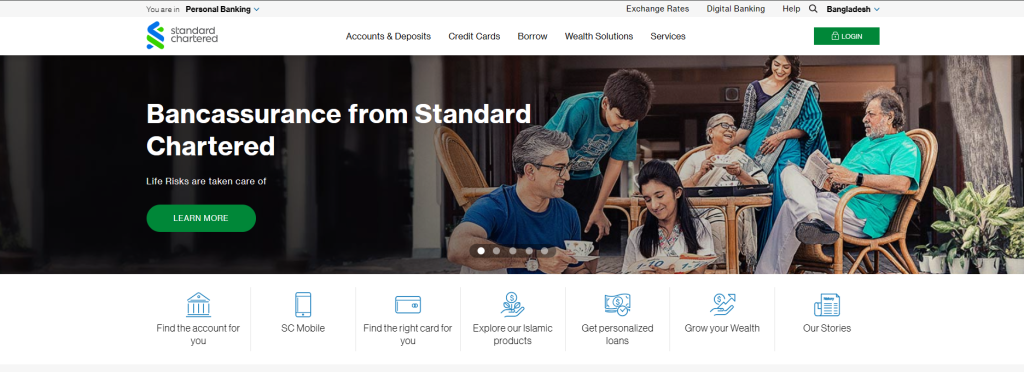
Standard Chartered Bank is the oldest and largest foreign bank in Bangladesh, serving since 1905 via its predecessor Grindlays. Renowned for corporate, retail, and wealth banking, it offers modern services like Islamic banking (“Saadiq”) and digital platforms like SC Mobile and Straight2Bank. With nationwide branches and a strong presence in trade finance, it significantly shapes the country’s financial landscape.
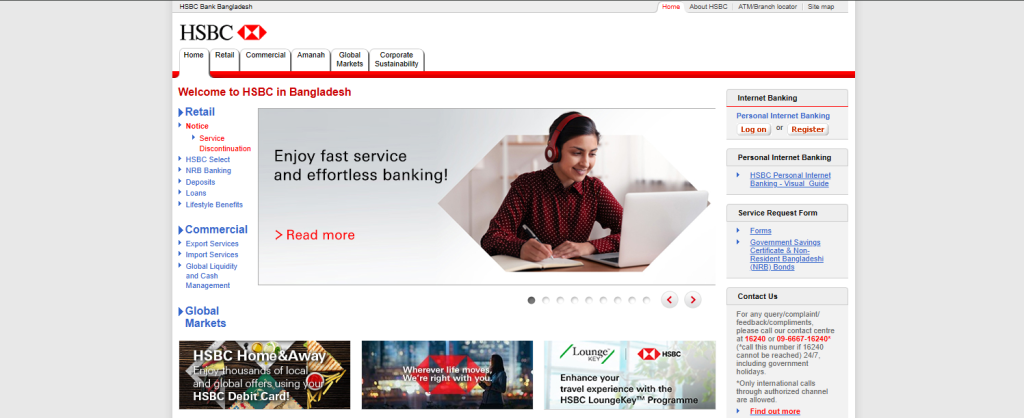
HSBC began operations in Bangladesh in 1996 and focuses heavily on urban corporate and retail banking. Rated ‘AAA’ nationally, the bank offers services from international trade finance to day-night banking and championing financial inclusion. HSBC is also active in social initiatives, such as education support for visually impaired individuals.
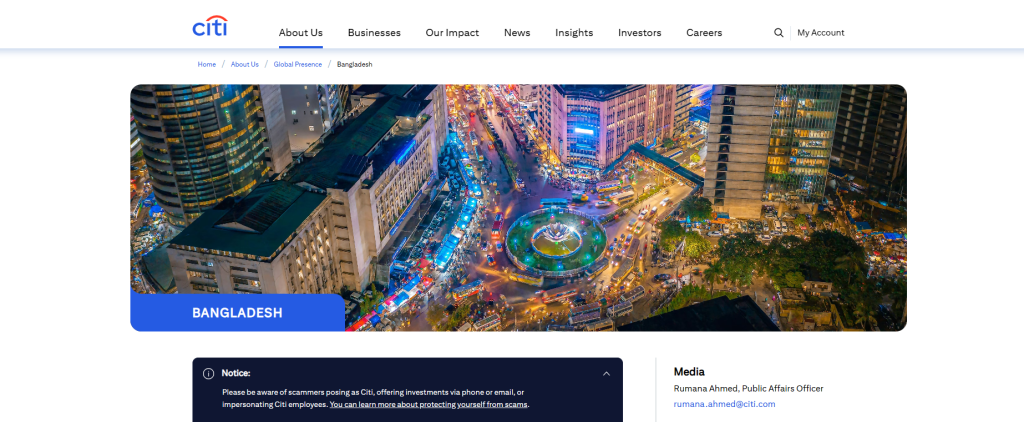
Citibank N.A. has served Bangladesh since opening a representative office in 1987 and a full-service branch in 1995. It focuses on corporate and institutional banking, providing services like trade finance, treasury, custody, cash management, and investment banking. Backed by Citi’s global network spanning 90+ countries, it continues to support local and multinational clients with award-winning digital and financing solutions.

Bank Alfalah is a Pakistani-origin private bank that entered Bangladesh in 2005 by acquiring Shamil Bank of Bahrain. It offers corporate, retail, and Islamic banking services across its network of branches. With presence in Dhaka, Chattogram, and Sylhet, it aims to deliver innovative financial solutions and service excellence to its clients.
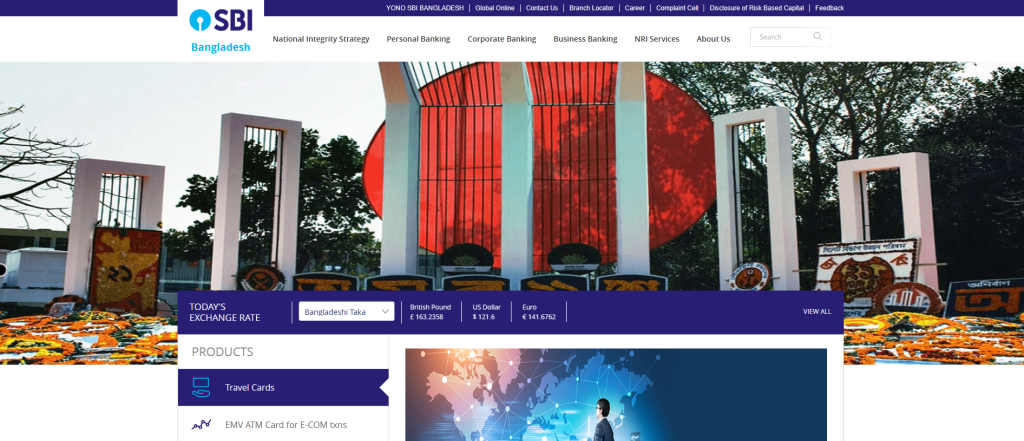
State Bank of India (SBI), India’s largest bank, maintains branch operations in Bangladesh, primarily serving retail, NRI clients, and trade finance. It helps facilitate remittances and India-Bangladesh bilateral trade. SBI upholds strong ties with local businesses and diaspora communities, reinforcing regional financial connectivity.
American Express (Amex) operates in Bangladesh through card issuance and merchant partnerships, primarily via local banks such as City Bank PLC, which is a licensed issuer. Amex focuses on premium consumer, travel, and corporate expense solutions, operating within the payment infrastructure provided by financial institutions. Its reach supports high-end segments and cross-border transactions.
Western Union, the global remittance and financial services company, operates extensively in Bangladesh. It facilitates money transfers and financial services through thousands of agent locations across the country — including banks and mobile financial service providers. Western Union plays a critical role in supporting remittance inflows, which are vital for Bangladesh’s economy.
27. Mastercard Inc. (Bangladesh)

Mastercard, a leading global payments and tech company, opened its local representative office in Dhaka in 2013 to support digital financial inclusion and e-commerce. It collaborates with local banks, fintechs, and regulators to enhance secure and innovative payment solutions in Bangladesh. The office underscores Mastercard’s investment in Bangladesh’s growing middle-class economy.

The International Finance Corporation, part of the World Bank Group, invests in Bangladesh’s private sector—most notably holding a 5% stake in City Bank PLC. IFC backs projects fostering financial inclusion, sustainable banking, and infrastructure. It remains a strategic partner in nurturing economic growth.
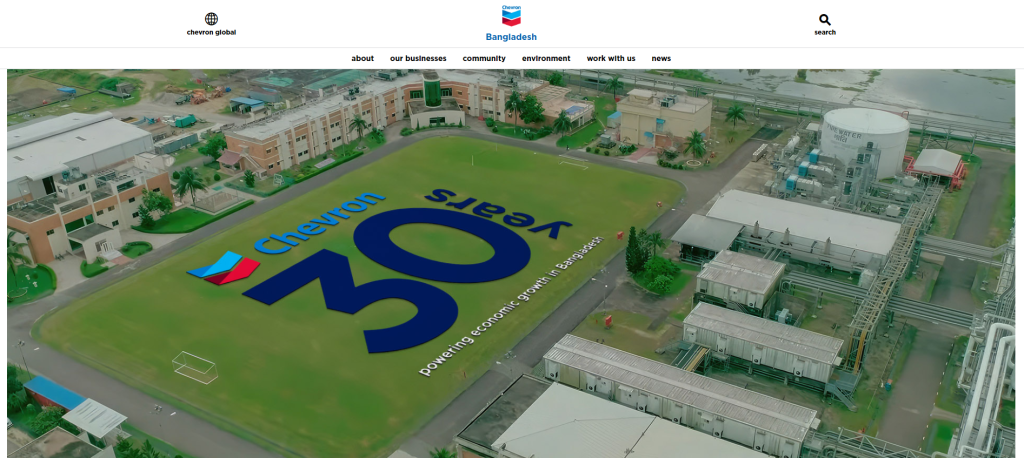
Chevron Bangladesh is the largest natural gas producer in the country, operating three key fields—Bibiyana, Jalalabad, and Moulavi Bazar—under production-sharing contracts with Petrobangla. It accounts for over 60% of Bangladesh’s gas demand and more than 80% of condensate production. The company emphasizes local employment (97% nationals), community development, and operational safety. Chevron is transitioning its Dhaka office to Centre Point in Gulshan‑2 to enhance facilities and convenience.

Siemens has been a cornerstone in Bangladesh’s industrial and infrastructure sectors since 1956, offering automation, power, mobility, and digitalization solutions. Siemens Energy, a sister entity, also provides energy technologies focused on grid modernization and decarbonization. Both contribute significantly to Bangladesh’s socioeconomic development through local innovation and sustainable infrastructure.
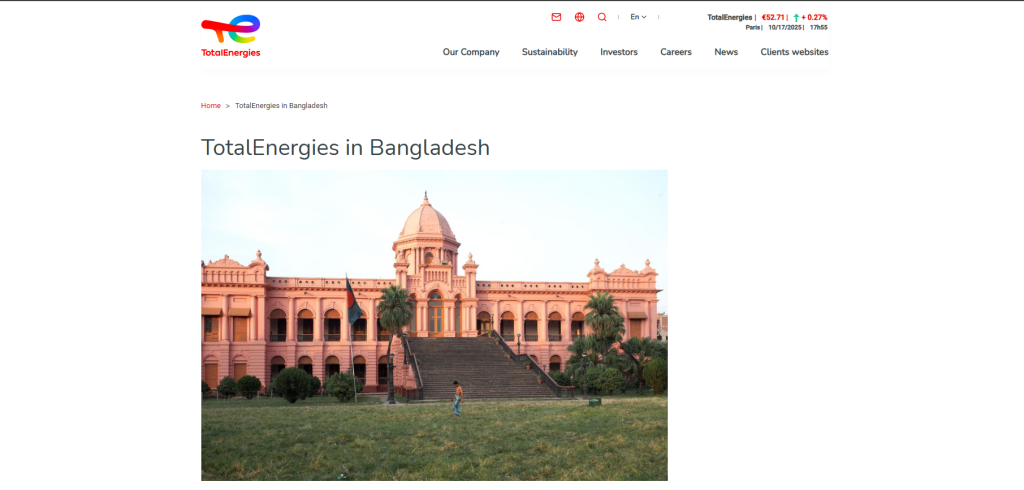
Total Energies is active in Bangladesh mainly via its affiliate, Total Energy, focusing on the development of solar and wind power projects. It also provides specialized and petrochemical products to B2B clients, contributing to the local renewable energy transition and community outreach initiatives.
Although BP does not have widely reported direct operations in Bangladesh, it remains a prominent global energy firm often mentioned alongside other LNG suppliers and energy stakeholders. It supports the broader energy ecosystem through strategic markets and partner networks.

Shell, the Anglo-Dutch energy conglomerate, operates in Bangladesh predominantly through partnerships in LNG and fuel distribution rather than direct physical operations. Its local presence is facilitated via Ranks Petroleum Ltd., which handles lubricants and fuel distribution nationwide. Shell remains strategically involved in regional energy discussions and promotes sustainable fuel solutions through its commercial network.
Office / Sub-office Details:
Shell Bangladesh Exploration & Development
Shell / Ranks Petroleum (Lubricants Distribution)
Shell Corporation Bangladesh Ltd. (Industrial Equipment)
Website: https://rkpl.com.bd/
Halliburton, a leading global provider of oilfield services, contributes to Bangladesh’s energy sector through technical support in exploration, drilling, well construction, cementing, and production optimization. Its operations in Bangladesh are project-based and facilitated via regional collaborators rather than stand-alone local offices.
Office / Sub-office Details:
Sembcorp, Singapore’s power and utilities conglomerate, is represented in Bangladesh via Sembcorp North-West Power Company Ltd.—a joint venture that operates a 414 MW dual-fuel combined-cycle power plant in Sirajganj, supplying electricity to the national grid. The company also invests in water management and community sustainability projects, reinforcing Bangladesh’s infrastructure development.
Office / Sub-office Details:
Mitsubishi Corporation, Japan’s premier trading and investment conglomerate, is active in Bangladesh across sectors including power generation, LNG infrastructure, industrial goods, and consumer products. It contributes to the nation’s industrial modernization through investments and partnerships, while also fostering bilateral trade and technology transfer between Japan and Bangladesh.
Office / Sub-office Details:
Mitsubishi Corporation (Dhaka Branch)
Website: https://www.mitsubishicorp.com/
Perfetti Van Melle, the Italian-Dutch confectionery powerhouse, is widely recognized in Bangladesh for brands such as Alpenliebe, Mentos, Center Fresh, and Chupa Chups. Operating through a strong network of authorized distributors, the company’s products have widespread reach across urban and rural markets. Its success comes from strategic marketing, consistent product quality, and accessibility in both modern retail and traditional outlets.
Colgate-Palmolive is a dominant player in Bangladesh’s oral and personal care sector. Iconic products like Colgate toothpaste and Palmolive soap are household essentials, supported by national oral hygiene campaigns in schools and communities. The brand is deeply trusted, with strong availability across both pharmacies and general retail, underpinned by robust distribution networks.
Johnson & Johnson, the American healthcare and consumer goods titan, is widely known in Bangladesh for its trusted baby care range, including powders, shampoos, and lotions. Although it doesn’t have manufacturing operations locally, its presence is solid through regional partnerships, especially in the medical devices and pharmaceutical sectors. Its consumer products are celebrated for their consistent quality and long-term market trust.
L’Oréal, the global beauty and cosmetics leader from France, operates in Bangladesh via brands like L’Oréal Paris, Garnier, and Maybelline. Its products are available across supermarkets, salons, and e-commerce channels. By bringing global beauty trends to local audiences, L’Oréal has influenced standards in skincare, haircare, and cosmetics, catering to both mass and premium market segments.

Roche, the Swiss leader in pharmaceuticals and diagnostics, serves Bangladesh with cutting-edge treatments in oncology, immunology, and diagnostic equipment. It partners with hospitals and healthcare providers to improve access to advanced therapies and high-quality testing. Roche also emphasizes strong supply-chain standards through licensed distributors to maintain product integrity and safety.
Abbott Laboratories, the global health care leader, operates in Bangladesh through its nutrition and diagnostics segments. Popular products like Ensure, Glucerna, and medical testing instruments are supplied via accredited partners. Abbott’s commitment to healthcare quality is reflected in robust distributor networks ensuring access to essential nutritional and diagnostic solutions across urban and rural areas.
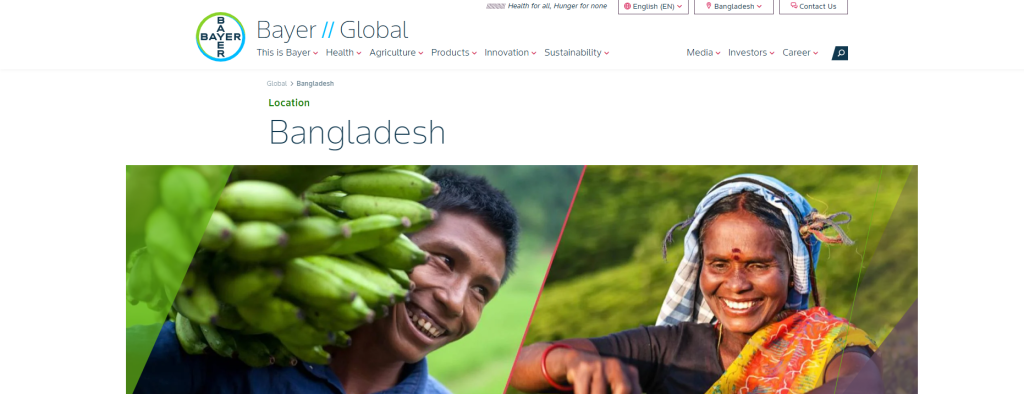
Bayer, the German multinational group, commands a major presence in Bangladesh across agro-science, healthcare, and pharmaceuticals. Its CropScience arm provides advanced agricultural solutions to farmers, while its Pharma division offers treatments in cardiovascular and women’s health segments. Bayer enhances local capacity through education programs and sustainable initiatives supporting both public health and food security.
Office Addresses:
Website: https://www.bayer.com/
AstraZeneca is a pioneering biopharmaceutical company delivering advanced therapies in areas such as oncology, respiratory, cardiovascular, and metabolic diseases. In Bangladesh, its medicines are supplied through licensed distributors and hospital channels, supporting treatment standards with global clinical expertise and training. AstraZeneca plays a vital role in enhancing access to innovative medications for chronic and life-threatening conditions.
Novo Nordisk, the Danish global healthcare leader in diabetes care, has a significant presence in Bangladesh. The company provides essential insulin products and supports public health via patient education and healthcare provider engagement. As diabetes continues to rise locally, Novo Nordisk’s contributions help to improve disease management and awareness.
Eli Lilly, the American pharmaceutical company, serves Bangladesh via its portfolio in diabetes, oncology, and immunology. It supplies globally trusted therapeutic products through local partners such as International Agencies (IABL), contributing to medical advancement and patient support services. While no manufacturing plant exists locally, Eli Lilly’s influence is seen through enhanced treatment access and health system collaborations.
Bangladesh, once seen as a small, low-income country, is now one of the fastest-growing economies in South Asia. With a strategic geographical location, a young and rapidly growing workforce, and improved infrastructural development, the country has become a hotbed for foreign direct investment (FDI). MNCs are drawn to Bangladesh for several compelling reasons.
First off, labor in Bangladesh is significantly cheaper compared to other developing nations. This cost advantage makes it ideal for labor-intensive industries such as textiles, consumer goods, and light manufacturing. But cheap labor is only part of the story. The government’s proactive stance in offering incentives—like tax holidays, duty-free import of capital machinery, and export-oriented policies—has made the investment climate extremely favorable.
Additionally, the growing middle class with increasing purchasing power provides a promising market for MNCs in the retail, food and beverage, telecom, and FMCG sectors. Companies know that tapping into this demographic can be highly lucrative.
Another critical factor is the improvement in infrastructure. With the development of economic zones, upgraded ports, and increased digital connectivity, doing business in Bangladesh has become logistically smoother. The country’s inclusion in regional trade alliances like SAARC and its strategic location between India, China, and Southeast Asia further enhance its appeal.
In summary, Bangladesh’s favorable economic indicators, policy incentives, and growing consumer base make it an irresistible destination for multinational corporations.
Multinational companies significantly contribute to Bangladesh’s GDP. Their presence spans across sectors such as telecommunications, pharmaceuticals, banking, energy, and consumer goods. The infusion of foreign capital has led to the expansion of industries, creation of infrastructure, and the overall industrialization of the country.
For instance, companies like Unilever and Nestlé have heavily invested in local production units, supply chains, and logistics. This not only boosts the GDP but also strengthens domestic production capacities. Similarly, energy giants like Chevron contribute through natural gas extraction, helping fuel both the national grid and industrial operations.
What’s interesting is how MNCs help modernize traditional sectors. By introducing best practices and efficient production methods, they set industry standards. Whether it’s factory automation, digital payment solutions, or eco-friendly manufacturing, MNCs are pushing local companies to level up.
Moreover, the tax revenues generated from these companies are substantial. MNCs pay corporate taxes, VAT, and other duties that help fund public services and infrastructure. This fiscal contribution cannot be overlooked.
In short, MNCs don’t just set up shop—they integrate deeply with the economy, driving both macro and micro-level growth.
One of the most visible impacts of MNCs in Bangladesh is job creation. From managerial positions to technical and support roles, these companies provide employment to thousands. For a country with a large youth population, this is a critical factor in addressing unemployment.
But it’s not just about the number of jobs. It’s also about the quality. MNCs offer better pay, structured career paths, and training opportunities. Employees are often exposed to international standards, business ethics, and innovation-driven work cultures. This experience enriches the local talent pool and increases the overall productivity of the workforce.
Training and upskilling initiatives are a regular part of MNC operations. Whether it’s leadership programs by Unilever, technical workshops by Ericsson, or sales training by Nestlé, these efforts elevate the skills of Bangladeshi professionals. Over time, this helps build a competent labor force that can compete globally.
Also, let’s not forget about indirect employment. MNCs create a ripple effect across supply chains—local suppliers, logistics firms, maintenance contractors, and other service providers all benefit. This layered employment generation strengthens the economic fabric of the country.
Technology transfer is another major advantage that comes with the presence of MNCs. These companies introduce state-of-the-art technology and operational methodologies into the local ecosystem. From automated factories to AI-driven customer service, they often act as pioneers in adopting new-age tech in Bangladesh.
This transfer of knowledge and tools helps local companies adapt and grow. Small and medium enterprises (SMEs), in particular, benefit by learning from and collaborating with MNCs. Over time, the exposure to global technology practices can lead to a culture of innovation within the country.
MNCs are also known to invest in research and development (R&D) within their host countries. In Bangladesh, some companies have partnered with universities and research institutions for product innovation and community development projects.
In essence, MNCs serve as bridges that connect Bangladesh to the global tech and innovation landscape.
Bangladesh’s FMCG sector is one of the most vibrant markets for MNCs, driven by a population exceeding 170 million and a rising middle class. The demand for daily consumer products—like soap, shampoo, toothpaste, packaged foods, and cleaning agents—is ever-growing. This demand presents a goldmine for multinational companies looking to scale.
Companies like Unilever, Nestlé, Marico, and Reckitt Benckiser dominate the Bangladeshi FMCG landscape. These companies have built trust with consumers through consistent quality, availability, and strong brand recall. Their products are present in virtually every household, urban or rural.
Unilever Bangladesh, for example, produces over 90% of its products locally, and its brands like Lux, Sunsilk, and Surf Excel have become household names. Similarly, Marico’s Parachute coconut oil and Nestlé’s Maggi noodles have widespread popularity.
FMCG MNCs also play a significant role in transforming retail dynamics in the country. From modern trade formats to rural outreach programs and e-commerce integration, they are revolutionizing how products are marketed and distributed.
Their involvement goes beyond just selling products—they’re deeply invested in community upliftment through CSR programs focusing on hygiene education, nutrition awareness, and women’s empowerment. For instance, Unilever’s hygiene campaigns in schools have reached millions.
With evolving lifestyles, increased disposable income, and improved rural connectivity, the FMCG sector will continue to be a major playing field for MNCs in Bangladesh.
The pharmaceutical sector in Bangladesh is another high-potential industry that attracts MNCs. Although the market is dominated by local giants like Beximco and Square, multinational pharmaceutical companies like Sanofi, Novartis, and GSK (GlaxoSmithKline) have long-standing operations here.
Bangladesh benefits from the WTO’s TRIPS waiver, allowing it to manufacture generic versions of patented drugs until 2033. This creates opportunities for foreign firms to partner with or source from local manufacturers. Moreover, with a growing awareness of healthcare, urbanization, and the rise in non-communicable diseases, the demand for high-quality pharmaceuticals is increasing.
Sanofi Bangladesh, for instance, has been a pioneer in introducing vaccines and insulin products to the local market. GSK, even after divesting some operations, still plays a critical role in consumer healthcare.
These companies don’t just supply medicines—they also invest heavily in medical research, training for doctors and pharmacists, and health awareness campaigns. The transfer of medical technology and knowledge from these firms helps elevate the entire healthcare ecosystem.
The presence of pharma MNCs has also led to better regulatory practices, stringent quality control, and increased pressure on local companies to meet international standards. This push for excellence benefits the consumer and the industry alike.
The telecommunications sector in Bangladesh is perhaps one of the most dynamic examples of MNC success. Since the liberalization of the telecom market in the late 1990s, foreign telecom companies have played a pivotal role in digitizing the nation.
Grameenphone, majority-owned by Norway’s Telenor Group, is the largest mobile network operator in the country. With over 80 million subscribers, it has become synonymous with connectivity in Bangladesh. Its early efforts to provide rural mobile access revolutionized communication.
Banglalink, owned by Veon Ltd, and Robi Axiata, a joint venture between Malaysia’s Axiata Group and India’s Bharti Airtel, are other notable MNCs in this space.
These companies brought in cutting-edge technology—like 3G and 4G services—long before many other South Asian countries. They continue to invest in digital infrastructure, mobile financial services (like bKash and Nagad integrations), and AI-driven customer support systems.
They also create a huge employment ecosystem—call centers, field operations, network engineers, retail partners, and more. In addition, their CSR efforts include digital literacy programs and rural connectivity initiatives.
Telecom MNCs have essentially laid the foundation for a connected, digitally-enabled Bangladesh.
Although still emerging, the IT sector in Bangladesh is increasingly attracting interest from multinational companies. Companies like IBM, Microsoft, Oracle, and Dell have established representative offices or partnerships in the country.
These tech giants provide enterprise solutions to local businesses, government agencies, and educational institutions. From cloud computing and cybersecurity to big data and AI, they’re helping to modernize Bangladesh’s digital infrastructure.
Microsoft Bangladesh, for example, has partnered with the government to provide digital learning platforms and has invested in upskilling IT professionals through training and certification programs. Oracle and IBM support major industries and banks with ERP systems, data analytics, and secure database services.
There’s also a growing trend of outsourcing IT-enabled services to Bangladeshi firms by MNCs due to cost advantages and a skilled workforce. Companies like Infosys and Accenture, while not directly operating in Bangladesh, are exploring partnerships with local firms for BPO and software development.
As the country works towards becoming a digital economy under its Vision 2041, the role of IT MNCs will become even more significant.
Bangladesh’s rapidly growing energy demands make the energy and power sector a critical area for foreign investment. Multinational energy companies have been instrumental in addressing this need through exploration, production, and infrastructure development.
Chevron Bangladesh stands out as the largest foreign investor in the country’s energy sector. It operates three gas fields and supplies over 50% of the country’s natural gas. The company’s commitment to safety, environmental protection, and community development has made it a model of responsible business.
Shell has also shown interest in exploration, while other companies like General Electric (GE) provide turbines, power systems, and engineering expertise to various power projects.
These MNCs bring more than just capital. They introduce industry-best practices, from environmental management systems to employee safety protocols and project efficiency. Their contributions are crucial in helping Bangladesh meet its industrialization and electrification goals.
The government’s openness to Public-Private Partnerships (PPP) and Independent Power Producers (IPP) has further encouraged MNC participation in this sector.
The banking and finance sector in Bangladesh has seen remarkable contributions from multinational companies. Foreign banks not only introduced advanced banking technologies and international standards but also played a key role in facilitating foreign trade and investment. Two major names stand out in this sector: Standard Chartered Bank and HSBC (The Hongkong and Shanghai Banking Corporation).
Standard Chartered Bank is the oldest foreign bank in Bangladesh, with over 100 years of continuous operation. It offers corporate banking, retail banking, SME services, and investment banking solutions. The bank is known for introducing innovative financial products and maintaining international compliance standards, which positively influence the local banking culture.
HSBC, another global giant, supports multinational corporations, large local businesses, and exporters in Bangladesh. It plays a crucial role in trade finance and foreign exchange operations. HSBC also brings in global insights and supports sustainable finance initiatives, which are growing trends in the sector.
Other notable names include Citibank N.A., Bank Al-Falah, and the World Bank Group’s International Finance Corporation (IFC), which funds private sector development projects in Bangladesh.
These MNCs foster a competitive environment that encourages local banks to improve their technology, customer service, and product offerings. Services like internet banking, mobile banking, international debit/credit cards, and digital wallets have become mainstream thanks to the influence of foreign banks.
Moreover, MNCs in finance often introduce best practices in compliance, anti-money laundering (AML), and risk management, raising the bar for the entire sector. Their presence is critical in maintaining investor confidence and facilitating cross-border trade and investment.
These companies span across multiple industries and continue to shape Bangladesh’s business environment. Their roles vary from providing essential goods and services to driving digital transformation and sustainable development.
The presence of multinational companies in Bangladesh has significantly influenced local market structures, competition, and consumer expectations. Their global strategies, advanced technologies, and strong financial muscle often set them apart from local enterprises. But this competition brings both challenges and opportunities.
MNCs raise the bar for quality, branding, and customer service. Local companies are forced to innovate, adopt better technologies, and improve efficiency to stay relevant. This competition pushes the entire industry to evolve, benefiting the consumer with better products and services.
However, it can also lead to market dominance in certain sectors. For instance, Unilever holds a massive share of the soap and shampoo market, making it difficult for smaller local brands to penetrate. Still, it also encourages partnerships and licensing opportunities where local players can collaborate with foreign companies.
One of the most valuable contributions of MNCs is the development of sophisticated supply chains. From sourcing raw materials locally to setting up warehousing and logistics networks, MNCs integrate deeply with local ecosystems. This builds capabilities among Bangladeshi suppliers, transporters, and retailers, enhancing their skills and infrastructure.
For example, Nestlé sources milk from thousands of rural farmers and helps improve their yields and income through training. This ripple effect uplifts entire communities and improves local supply quality.
MNCs bring with them global quality standards, which influence consumer expectations. People begin to demand safer, better, and more reliable products—be it food, medicine, or tech gadgets. This forces local businesses to improve quality and adopt certifications like ISO or HACCP.
On pricing, MNCs often balance between premium pricing and affordability. While some products target upper-middle-class segments, others—especially in the FMCG sector—are priced competitively to appeal to mass markets. This segmentation creates opportunities for both high-end and value-focused local brands.
Ultimately, the presence of MNCs creates a vibrant, competitive market that drives efficiency, innovation, and consumer satisfaction.
The Bangladeshi government has made attracting foreign direct investment (FDI) a key component of its economic strategy. To this end, it offers a wide range of incentives to multinational corporations looking to establish or expand operations in the country.
Key benefits include:
In addition, the Bangladesh Investment Development Authority (BIDA) provides a one-stop service to assist foreign investors with licensing, permits, and business setup processes. The government also promotes public-private partnerships (PPP) to foster joint ventures between local firms and MNCs.
Overall, the investment climate is becoming increasingly favorable, with a focus on simplifying business registration, digitizing processes, and ensuring investor protection.
To ensure that MNCs operate within legal frameworks and ethical standards, several regulatory bodies oversee their activities:
These bodies work to maintain transparency, prevent monopolies, ensure compliance, and facilitate smoother business operations for MNCs.
Bangladesh is a signatory to several bilateral and multilateral trade agreements, which help MNCs operate more efficiently. These include:
These agreements lower trade barriers, reduce tariffs, and offer market access privileges that enhance the viability of foreign investments.
Moreover, the government’s FDI policy is geared towards full ownership rights for foreign investors in most sectors, with minimal restrictions. The policy also ensures equal treatment for domestic and foreign investors, which boosts confidence among MNCs.
Despite the advantages, multinational companies in Bangladesh face a number of operational and strategic challenges that can hinder their growth or profitability.
One of the most common complaints from foreign investors is the bureaucratic red tape. Delays in obtaining business permits, trade licenses, land registration, and utility connections often discourage potential investors. While the government has tried to digitize and streamline processes, inconsistencies and corruption remain issues.
In some cases, companies face difficulties renewing licenses or navigating labor laws, which can slow down expansion plans or delay new product launches. MNCs have to invest in local legal and administrative expertise just to stay compliant.
Bangladesh has made progress in infrastructure development, but power outages, poor road conditions, port congestion, and limited logistics facilities still pose serious challenges.
For instance, delays at Chittagong Port often increase lead times for both imports and exports. This affects the efficiency of MNCs relying on just-in-time inventory models or time-sensitive shipments.
Moreover, while internet connectivity has improved, issues like unstable power supply and low broadband speed can disrupt operations—especially for IT and telecom companies.
These infrastructure bottlenecks increase operating costs and reduce competitiveness for both MNCs and local partners.
Understanding local cultural nuances and regulatory frameworks is critical for MNC success. However, many foreign companies struggle with workforce management, labor union issues, and consumer behavior differences.
In some cases, what works globally doesn’t always translate well locally. Marketing strategies, management styles, or product features may need localization to gain acceptance among Bangladeshi consumers.
Additionally, the legal system is slow and often backlogged. Contract enforcement or intellectual property rights (IPR) protection can be challenging. For MNCs that rely on strong IPR enforcement (like tech or pharma firms), this becomes a key concern.
Despite these barriers, companies that invest time in understanding local dynamics and building strong stakeholder relationships often succeed.
The future for MNCs in Bangladesh looks promising, thanks to the country’s consistent GDP growth, demographic advantage, and supportive investment policies.
New sectors are opening up for foreign companies, such as:
As consumer behaviors evolve and digital adoption increases, these sectors offer ripe opportunities for innovative foreign companies.
Sustainability is no longer optional. MNCs are increasingly expected to demonstrate environmental and social responsibility. In Bangladesh, the shift toward green factories, circular economy models, and ESG (Environmental, Social, Governance) practices is accelerating.
Companies like Unilever and Chevron are already investing in renewable energy, waste reduction, and community engagement programs. As consumers become more environmentally conscious, such efforts will become critical to brand loyalty and regulatory compliance.
Bangladesh’s Vision 2041 aims to transform the country into a high-income, knowledge-based economy. MNCs can play a pivotal role in realizing this vision by:
By aligning with government initiatives like Digital Bangladesh, Made in Bangladesh, and Smart Bangladesh, MNCs can position themselves as long-term partners in the country’s growth journey.
Multinational companies in Bangladesh have not only brought in capital and products but also transformed the way businesses operate. From revolutionizing industries like telecom and FMCG to uplifting supply chains and skills, their influence is far-reaching. Despite facing challenges like bureaucracy and infrastructure gaps, MNCs continue to thrive—fueled by a young population, policy support, and a vibrant consumer market.
As Bangladesh progresses toward middle-income and then high-income status, the role of MNCs will become even more significant. For investors and entrepreneurs looking for growth markets with potential and resilience, Bangladesh remains an untapped goldmine.
MNCs contribute to industrial growth, create jobs, bring in foreign investment, introduce new technology, and improve business practices in the country.
Unilever Bangladesh is considered one of the largest and most impactful multinational companies in the country, especially in the FMCG sector.
They enhance productivity, generate employment, boost exports, bring global standards, and contribute to GDP and government revenue.
Most sectors are open to foreign investment, with minimal restrictions. However, some sectors like defense and nuclear energy are restricted or require special approval.
FMCG, pharmaceuticals, telecom, IT, banking, energy, and e-commerce are currently the most attractive sectors for MNC investment.